Showing posts with label Pneumonia 2011. Show all posts

Breastfeeding: A Child's First Immunization

Mother’s milk is the ideal nutritionally perfect food for newborns and infants. It is like nectar for the infant and is aptly called the first vaccine that can be given to the child. Apart from the unique ability to nourish the baby, it is also packed with several antibodies (immune globulins) that provide protection against common childhood illnesses, including pneumonia, a prime cause of child mortality which kills more than 4,300 children everyday worldwide. It is safe, easy to digest, is readily available and very affordable.

Atharva: Tell-tale of a pneumonia crusader

15 OCTOBER 2011: Atharva, is a 2 years and 10 months old child who is battling for life at the Paediatric Intensive Care Unit (ICU), Chhatrapati Shahuji Maharaj Medical University. Hospitalized for over 3 months the child gets terrified even at the sight of equipments. He tried to hide in his mother’s lap seeing the CNS reporter’s camera and other gadgets. Atharva’s father is a PAC jawan. His mother Mrs. Renu Bala Sharma had a long painful story to tell. “He got fever on the 21st July. We consulted a private doctor in Sujanpura, Alambagh regularly for 3 days that is 22nd, 23rd and 24th July 2011. On the 25th July, he told us that our child has pneumonia.”

Voices from the field on childhood pneumonia: Book released

[Download the book "Voices from the field on childhood pneumonia" in हिंदी, English, Urdu ]
Pneumonia despite being preventable and curable, is the world's (and India’s) leading killer of children under five, claiming one young life every 20 seconds. That’s 4,300 young lives lost every day. That's more than AIDS, malaria and measles combined. Pneumonia is one of public health’s most solvable problems, said Dr Ajay Mishra, Managing Director, Nelson Hospital for Paediatric and Neonatal Medicine, Aliganj, Lucknow. “We have safe, effective and affordable tools to help children. Children should have access to effective and affordable treatment using antibiotics, which typically cost less than one dollar per dose. Tragically, only an estimated 1 of every 5 children with pneumonia receives antibiotics” said Dr Ajay Mishra.

Wake up call after years of neglect on childhood pneumonia

Pneumonia is the world's leading killer of children under five, claiming one young life every 20 seconds. That's more than AIDS, malaria and measles combined. Pneumonia is one of global health’s most solvable problems. We have safe, effective and affordable tools to help children. Children should have access to effective and affordable treatment using antibiotics, which typically cost less than one dollar per dose. Tragically, only an estimated 1 of every 5 children with pneumonia receives antibiotics.

Environmental Burden Can Weigh Down Your Child's Health
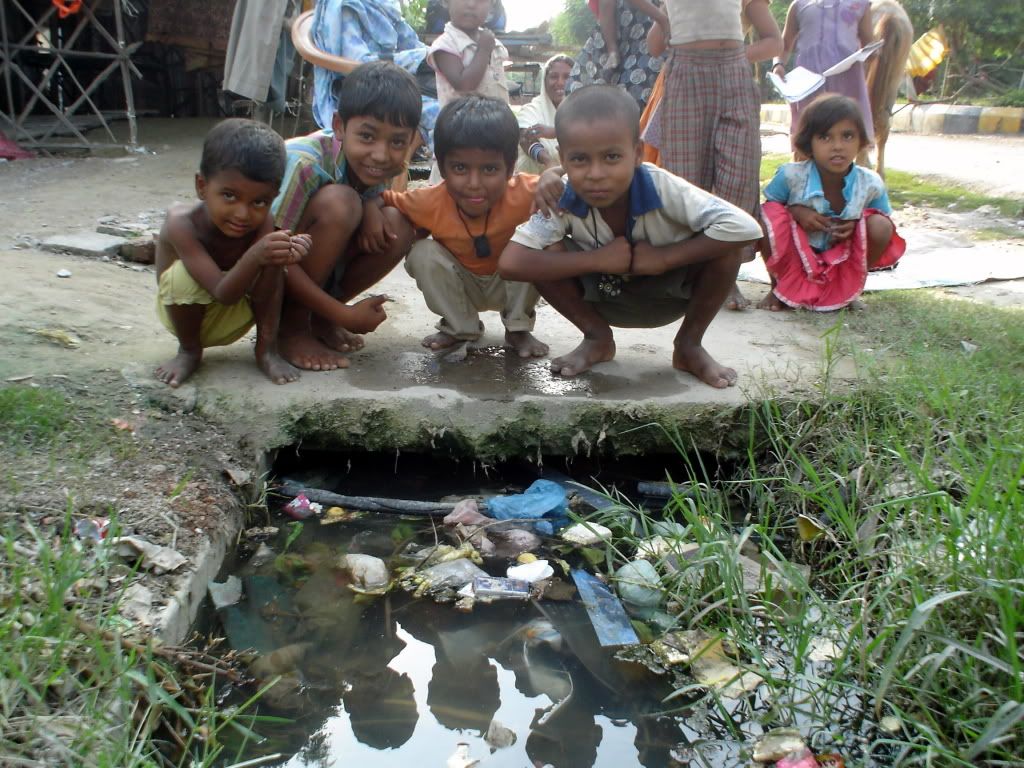
Environmental burden is a threat to children and a risk factor for both acute and chronic respiratory diseases. While second-hand tobacco smoke and certain other pollutants are known risk factors for acute respiratory infections indoor air pollution from biomass fuel is also one of the major contributors to the global killer of children i.e. pneumonia. In fact, in developing countries, indoor pollution increases the risk of pneumonia by about 38%.

Breathe In Clean Air To avoid Childhood Pneumonia

Pneumonia is a serious disorder affecting children even in their very early stages of life. Like other acute respiratory infections, pneumonia targets the world’s most vulnerable children as it occurs when a child’s still-developing defence system is weakened. Malnutrition, crowded housing, smoking, and polluted air have all been linked to higher incidences of pneumonia, the leading global killer of children under five. The Acute Respiratory Infections (ARI) Atlas confirms that indoor air pollution significantly increases the incidence of pneumonia. The risk depends on how toxic the pollutants are, how long and at what concentration the exposure occurs and the adequacy of ventilation.

Treat Pneumonia With The Wonder Drugs

Pneumonia is a severe form of acute lower respiratory infection that specifically affects the lungs. It is the prime cause of child mortality under 5 accounting for 20% post-neonatal deaths worldwide. The best way to reduce pneumonia related mortality is to provide timely and effective treatment.  When children suffering from pneumonia are promptly treated with antibiotics, popularly known as “wonder drugs” chances of mortality are considerably lowered. Estimates suggest that if antibiotic treatment were universally delivered to children with pneumonia, around 600,000 lives could be saved each year. This number could more than double to 1.3 million if both prevention and treatment interventions to reduce pneumonia deaths were universally delivered.

Fight Pneumonia With Good Nutrition

Good Nutrition implies an adequate and well balanced diet combined with regular physical activity. It is the cornerstone of good health and the key to improving a child’s natural defenses, and hence one of the most effective measures in preventing pneumonia. Besides, it also helps to reduce the length of the illness if a child does become ill. Good health and hygiene are the two facets of nutrition which help in building early immunity of the child by boosting the immune system. Nutrition relies on 'which' food and 'how much' food is required by the child.

A Shot In Arm Prevents Children From Pneumonia
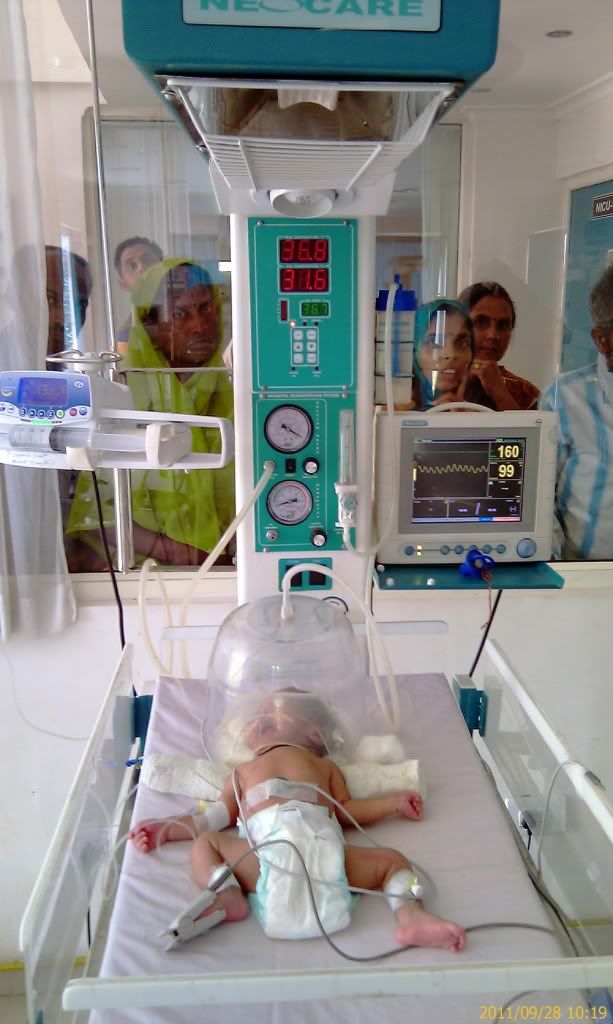
Pneumonia, the leading global killer of children under five, is a disease that occurs most commonly when a child’s still-developing defence system is weakened by malnutrition, air pollution, co-infections with HIV/AIDS and measles, and low birth weight. Appropriate therapies will cure most cases of paediatric bacterial pneumonia. But many children go untreated, and as a result as many as 20% of them die, sometimes within 3 days of onset. It is no wonder then, that pneumonia is responsible for almost 1.6 million deaths per year, which is about one-fifth of all paediatric deaths around the world. Apart from breastfeeding and improved living conditions, access to vaccines and antibiotics, and timely treatment can dramatically reduce deaths from childhood pneumonia in developing countries.

Life Saving Shots For Killer Pneumonia

Each year, millions of children succumb to diseases like pneumonia which are preventable with readily available vaccines. Pneumonia is the leading killer of children under 5 claiming 1.5 million young lives every year. Despite being the cause of almost 20% of all under 5 deaths, the disease attracts less than 5% of the global health funding. Vaccines against two of the main causes of life-threatening pneumonia— pneumococcal (Streptococcus pneumoniae) and Hib (Haemophilus influenzae Type b) have been developed and are currently being used in the developed countries. But coverage in third world countries like India (which accounts for almost 40% of the worldwide childhood pneumonia cases) is low, particularly of pneumococcal vaccines. If developing countries had these vaccines, the lives of almost 1 million children under age 5 could be saved every year.

Mother’s Milk Is The Best Milk

Exclusive breast feeding implies the concept of feeding the child only with mother's milk from first hour of birth up to a minimum of six months, without any other supplement like water, honey or any top feed. During the initial post natal phase, breast milk is in the form of colostrums which has antibiotic like properties and lactoferins, which give the child an integral immunity against various diseases, including pneumonia. Breast milk is also rich in proteins, has enzymatic activity that prevents the growth of bacteria and viruses, and fulfils all the nutritional requirements of the new born for the first six months.

Cleanliness Is Next To Godliness In Preventing Childhood Pneumonia

The best way to prevent serious respiratory infections such as pneumonia is to practice good hygiene. Infection control is highly dependent on the principles of personal hygiene, and by keeping ourselves and our surroundings clean, illnesses like pneumonia can be contained or even prevented. Most cases of pneumonia, whether acquired in the community or in the hospital, are caused by bacteria, and some by viral or fungal infections. These pathogens travel as airborne particles, ready to cause infection once they are inhaled and able to attack the lungs, filling the lung sacs with pus and fluid, limiting oxygen intake and making it hard to breathe. To prevent the recurrences of acute pneumonia, maintenance of community hygiene is as important as personal hygiene.

Feed Right To Fight Childhood Pneumonia

Malnutrition or bad nourishment is a major health problem, especially in developing countries. Along with inadequate sanitation and poor hygiene, it plays a vital role in predisposing children to pneumonia and other diseases. Pneumonia is the leading killer of children under 5, claiming 1.5 million young lives every year. An estimated 98% of the children who die of pneumonia live in developing countries. We can reduce these deaths by two-thirds, just by feeding our children with the right foods in right amounts and at the right time, in clean surroundings.

No Cocktail Feeding Please – Breastfeed Is Best For The Baby

Mother’s milk plays a key role in preventing childhood pneumonia, which is a very serious problem, globally killing one child (below 5 years of age) every 20 seconds. It is responsible for almost 1.6 million child deaths per year, which is nearly 20% of all paediatric deaths around the world. Most of these children (about 98%) who die of pneumonia are from the developing countries. In India, more than 40,000 children under 5 years of age succumb to pneumonia every year.

Smoke-free Indoors For Pneumonia Free Lungs

Every 20 seconds, somewhere a child dies from pneumonia. Pneumonia accounts for 20% under 5 child mortality, killing 1.5 million children per year. This loss of life is even more painful because these deaths are preventable with sufficient interventions. The World Health Organization (WHO) lists several environmental factors that increase a child's susceptibility to pneumonia. These are (i) indoor air pollution caused by cooking and heating with biomass fuels (such as wood or dung); (ii) living in crowded homes; and (iii) parental smoking. It also suggests that addressing environmental factors such as indoor air pollution, by providing affordable clean indoor stoves and encouraging good hygiene in crowded homes, can reduce the number of children who fall ill with pneumonia.


Pneumonia can be spread in a number of ways. The viruses and bacteria that are commonly found in a child's nose or throat can infect the lungs if they are inhaled. They may also spread via air-borne droplets from a cough or sneeze. Hence improvements in the living environment to reduce the spread of germs play an important role in pneumonia control.

Feed Your Child Well: Prevent Pneumonia
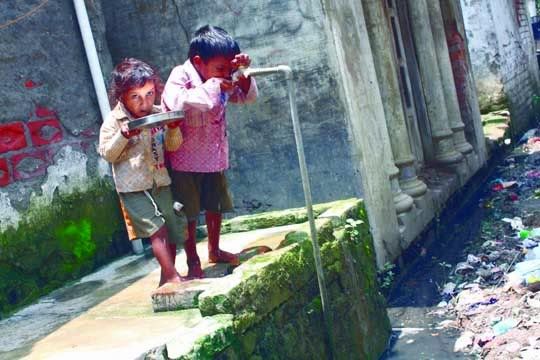
Photo credit: Jitendra Dwivedi
Pneumonia is the leading global killer of children under five, responsible for almost 1.6 million deaths per year, which is about one-fifth of all paediatric deaths around the world. Like other acute respiratory infections, pneumonia targets the world’s most vulnerable children—those who are poor and mal/undernourished. The burden of pneumonia in the developing world is nearly 10 times that of developed world In low income countries, pneumonia kills 7320 out of 100,000 children below 5 years of age, as compared to just 34 in developed countries.  In South Asia and Sub Saharan Africa 21% of all deaths in children are due to pneumonia. According to the Acute Respiratory Infections Atlas 2010, lack of food contributes to 44% of deaths from pneumonia in children globally.

Good nutrition protects children from pneumonia

Children, who are malnourished, undernourished or those who are not breastfed during the first six months of birth have less resistance towards diseases. As a result they are more prone to pneumonia. Thus good nutrition and mother’s milk have an important contribution in preventing childhood pneumonia. Globally 44% infant mortality due to pneumonia is caused by malnutrition.

Get your child vaccinated against pneumonia

“Pneumonia vaccination as per the standards set by the World Health Organization (WHO) is available in the market as per the causative agent. However in public sector government hospitals vaccination for pneumonia is not available” said Dr Abhishek Verma, senior Paediatrician, Dr Ram Manohar Lohia Hospital, Gomti Nagar, Lucknow.