Tobacco, the age old slow poison, takes a human life every eight seconds, which means approximately 6 million deaths annually. It is consumed in many forms, all of which are equally harmful. It could be smoked as cigarettes and cigars, or used in smokeless forms such as chewing tobacco or inhaling tobacco such as hookah/sheesha. Globally approximately 10 million cigarettes are purchased a minute, 15 billion are sold each day, and an upward of 5 trillion are produced and used on an annual basis. It is estimated that worldwide, one in five teenagers in the age group 13-15 years smoke cigarettes. Youth and kids are still picking up smoking at the alarming rate of about 80,000 to 100,000 a day worldwide. Tobacco poses a serious danger to public health despite the fact that it is a preventable cause of death.
- Home
- Issues
- Advocacy and campaigning Days
- Tuberculosis
- COVID-19
- HIV/AIDS
- Hepatitis
- Non-communicable diseases (NCDs)
- Diabetes
- Cancer
- Asthma
- End tobacco
- Anti-microbial resistance
- Health security
- Gender justice
- Climate justice
- Development justice
- Pneumonia
- Malaria
- Sustainable energy
- Nuclear disarmament
- Corporate accountability
- Correspondents
- Publications
- Online communications
- Conference coverage
- GAMA
- सीएनएस
- About
Showing posts with label Articles of Shikha Srivastava. Show all posts
Antibiotic Therapy: The Pneumonia Panacea
Pneumonia is the single largest cause of death in children worldwide. It kills an estimated 1.6 million children every year – more than AIDS, malaria and tuberculosis combined. Almost four children die from pneumonia every single minute. Research has shown that prevention and proper treatment of pneumonia could avert one million deaths in children every year. With proper treatment alone, 600 000 deaths could be avoided. The World Health Organization (WHO) and UNICEF launched Integrated Management of Neonatal and Childhood Illness (IMNCI) and which aims to protect, prevent, and treat pneumonia in children. There have been few studies of the clinical efficacy for identifying and treating pneumonia in children in developing countries with low-cost, low-tech medication and care.
Vaccine Shots Can Combat The Death Shot Of Pneumonia
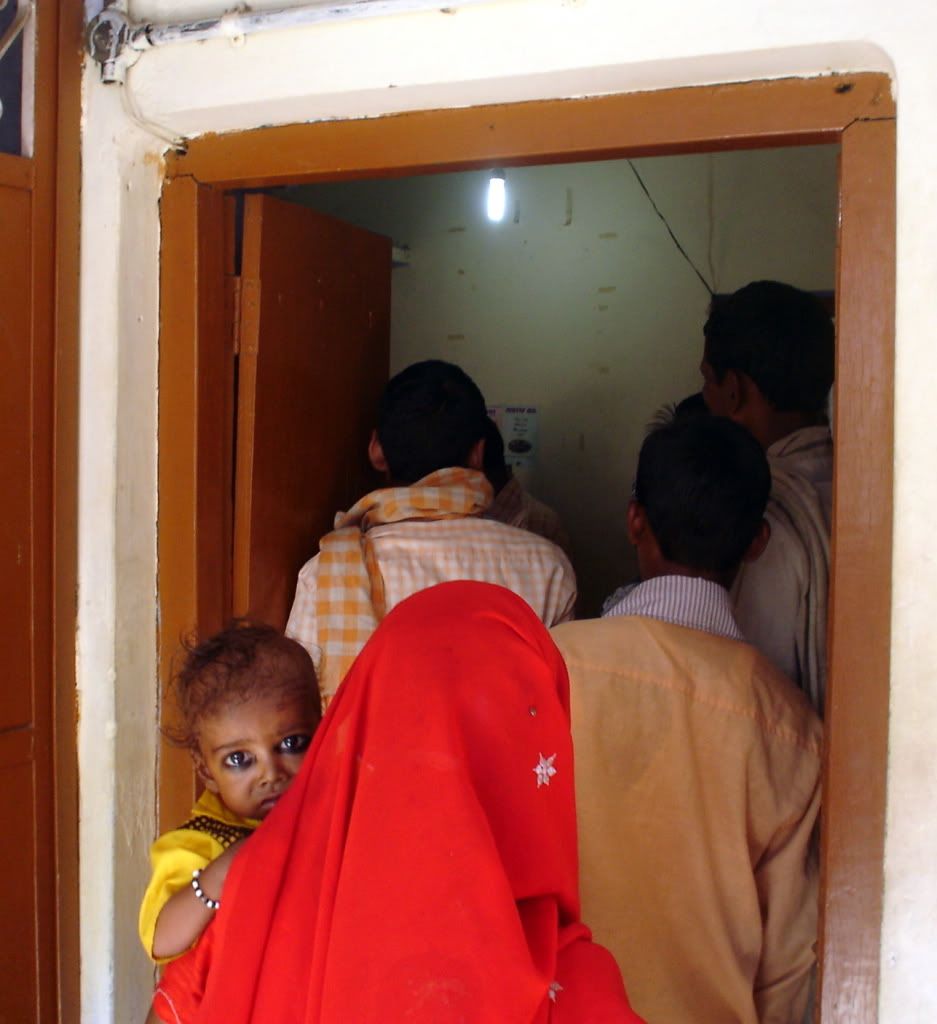
It is unfortunate that pneumonia is the world's leading killer of young children despite the fact that possible medications and immunizations for the disease are available. Then why are our children being held hostage by pneumonia? The possible reasons could be unavailability/unaffordability of medication and/or lack of information.
Environmental Burden Can Weigh Down Your Child's Health
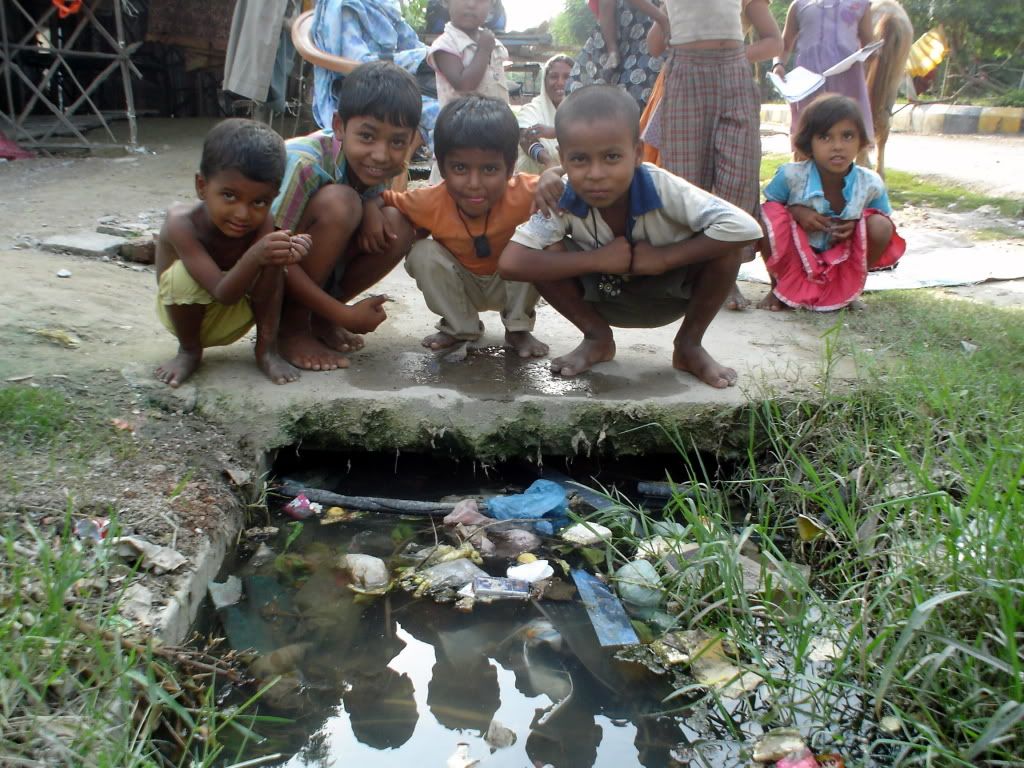
Environmental burden is a threat to children and a risk factor for both acute and chronic respiratory diseases. While second-hand tobacco smoke and certain other pollutants are known risk factors for acute respiratory infections indoor air pollution from biomass fuel is also one of the major contributors to the global killer of children i.e. pneumonia. In fact, in developing countries, indoor pollution increases the risk of pneumonia by about 38%.
Fight Pneumonia With Good Nutrition
Good Nutrition implies an adequate and well balanced diet combined with regular physical activity. It is the cornerstone of good health and the key to improving a child’s natural defenses, and hence one of the most effective measures in preventing pneumonia. Besides, it also helps to reduce the length of the illness if a child does become ill. Good health and hygiene are the two facets of nutrition which help in building early immunity of the child by boosting the immune system. Nutrition relies on 'which' food and 'how much' food is required by the child.
Mother’s Milk Is The Best Milk
Exclusive breast feeding implies the concept of feeding the child only with mother's milk from first hour of birth up to a minimum of six months, without any other supplement like water, honey or any top feed. During the initial post natal phase, breast milk is in the form of colostrums which has antibiotic like properties and lactoferins, which give the child an integral immunity against various diseases, including pneumonia. Breast milk is also rich in proteins, has enzymatic activity that prevents the growth of bacteria and viruses, and fulfils all the nutritional requirements of the new born for the first six months.
Subscribe to:
Posts (Atom)